

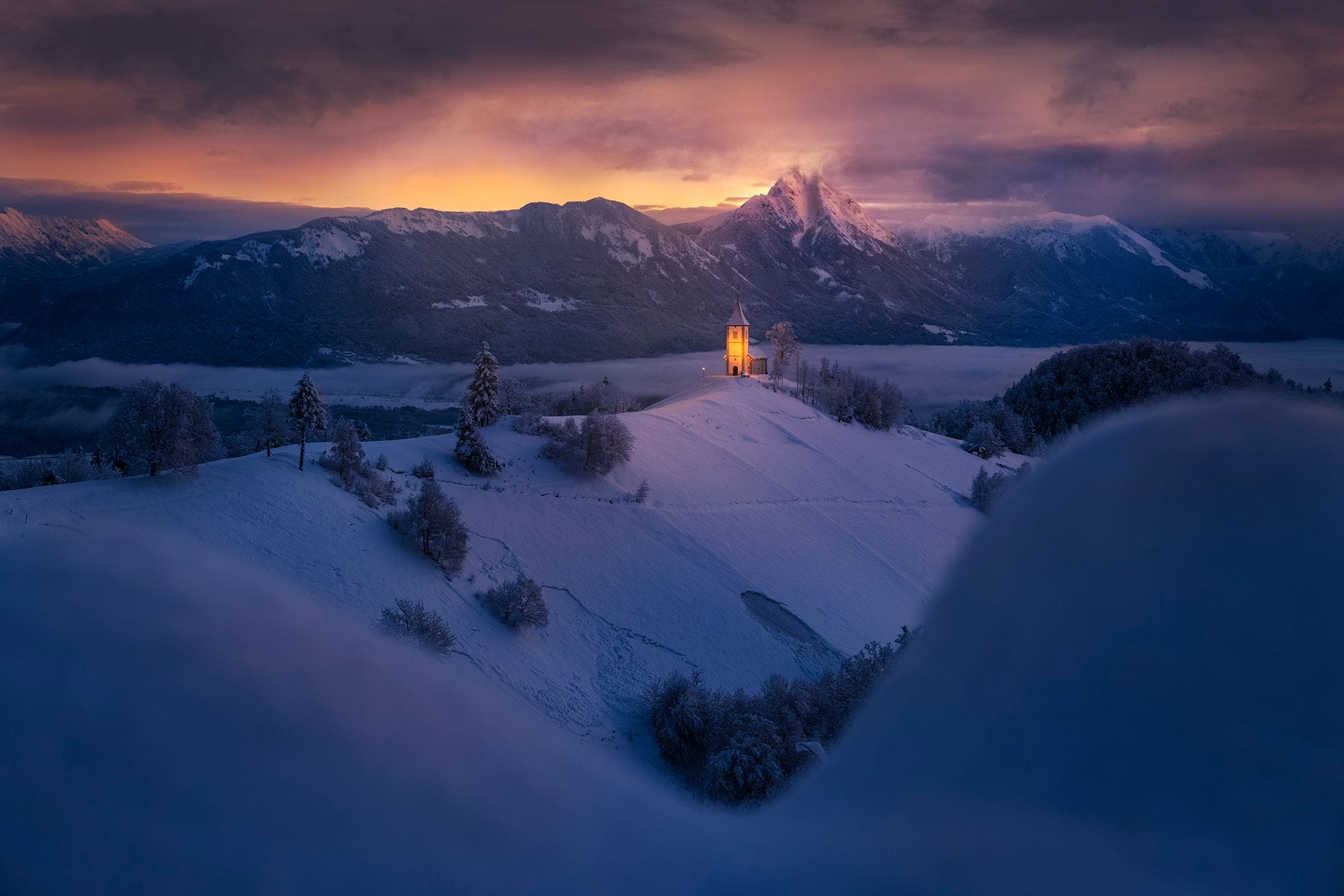
Seasonal photography: Capturing nature’s transformation through light and land
Photography is more than freezing a moment in time. It is rather about telling a story of light, color, and the ever-changing land around us. Seasonal photography invites you to explore how landscapes evolve with the seasons and just how to use those changes to create compelling, evocative images.
Whether you are a photography enthusiast, professional photographer or just a traveler looking to expand your album of photo memories, understanding how light and land transform with each season helps you adapt your approach, and unveils opportunities that few photographers seize.
If you want to experience all seasons through the lens, joining Luka Vunduk’s Slovenia photo tours offers unique access to one of Europe’s most dynamic and scenic backdrops.
Spring photography - Reborn landscapes and a softer light
Spring is known as nature’s rebirth. In many regions, as well as the rolling valleys and alpine foothills of Slovenia, snow is melting or already melted, flowers bloom, and the vibrant green is slowly spilling back into the picture. Layers and textures return to the landscape, delicate blossoms show up in the foreground and majestic mountains rise in the distance. All of these combined are ideal for all sorts of creative multi-layered compositions.
Light and land characteristics:
Spring offers soft light with cool tones in the mornings, a fresh color palette of blush colors and greens. Adding a hint of mystique are misty valleys and flowing, shimmering rivers.
How to Shoot It:
Golden and blue play an important role in spring because the light is gentle yet dynamic, making it ideal for capturing wide, sweeping landscapes. Using wide apertures helps create depth by allowing delicate foreground blossoms to stand out sharply against the distant peaks. It’s also essential to scout locations early, as trails can open unpredictably while snow melts and the quality of light shifts from day to day. Early hours also give you access to gorgeous morning mists and foggy lands.
Tip: Spring is perfect for joining a Slovenia photo tour that focuses on rolling hills, blooming valleys, and emerging seasonal life. These tours take you to places many photographers miss in the shoulder season.
Golden and blue play an important role in spring because the light is gentle yet dynamic, making it ideal for capturing wide, sweeping landscapes.
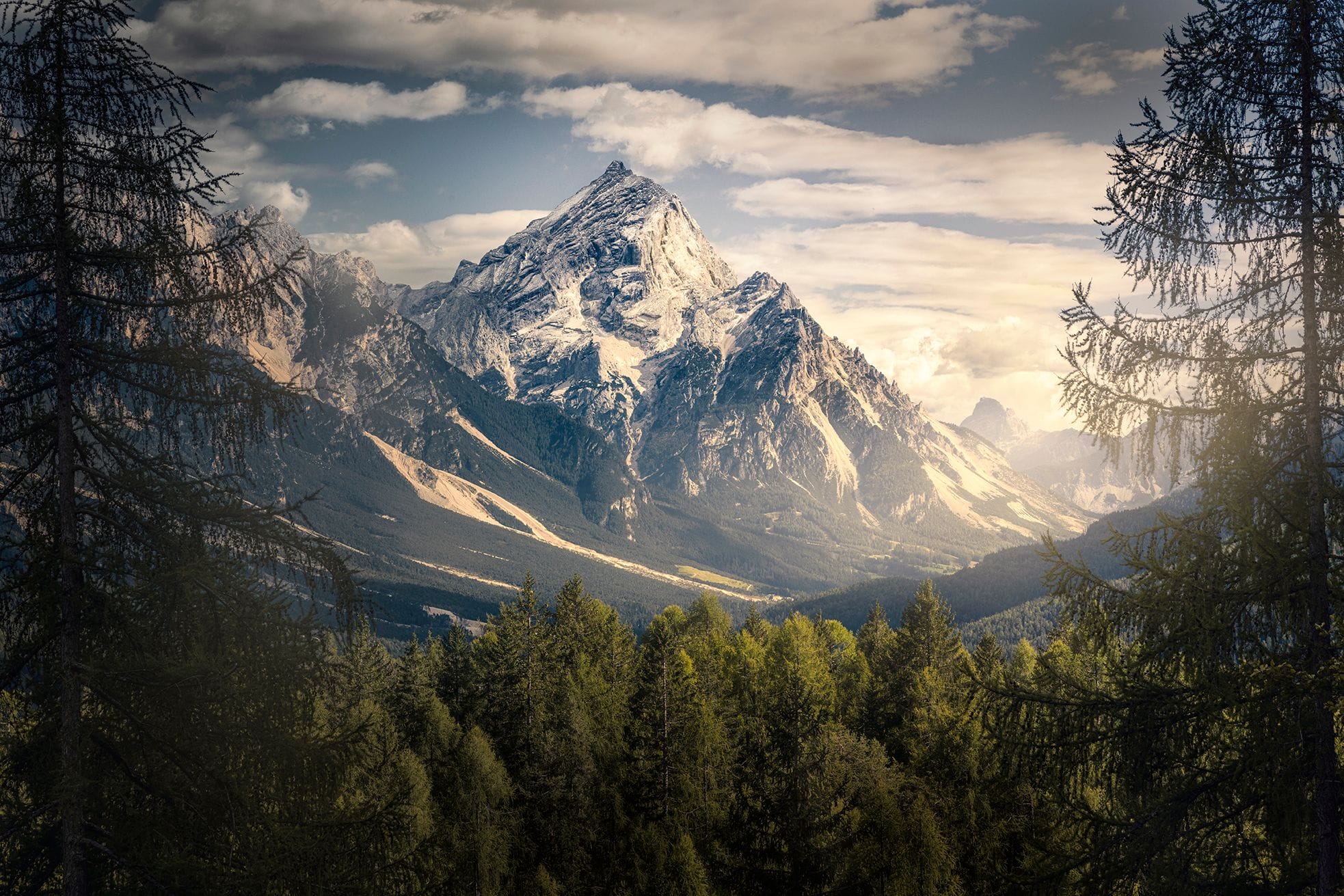
Summer photography: vibrant colors and high contrasts
Summer brings an explosion of bold colors and dramatic skies. The warm weather creates long days filled with intense light, which can be both rewarding and challenging for photographers. Around Slovenia’s lakes, forests, and gorges, the midday sun often produces harsh highlights and deep shadows, requiring thoughtful technique and careful exposure.
Light and land characteristics:
During this season, the days are noticeably longer, the sun is stronger, and the landscape is filled with saturated greens and active wildlife. Skies tend to appear crisp and blue, though summer storms can quickly transform them into dramatic, moody backdrops.
How to Shoot It:
To photograph summer landscapes effectively, polarizing filters can be extremely useful for reducing glare and enhancing the richness of the sky. It’s best to shoot early in the morning or late in the evening when golden hour creates softer tones and longer, more flattering shadows. Exploring shaded locations or forested trails can also help balance contrast and soften the harshness of midday light.
Summer’s intensity ultimately invites creative adaptation, whether through fine-tuning exposure settings or seeking out compositions that highlight the season’s vibrant details.
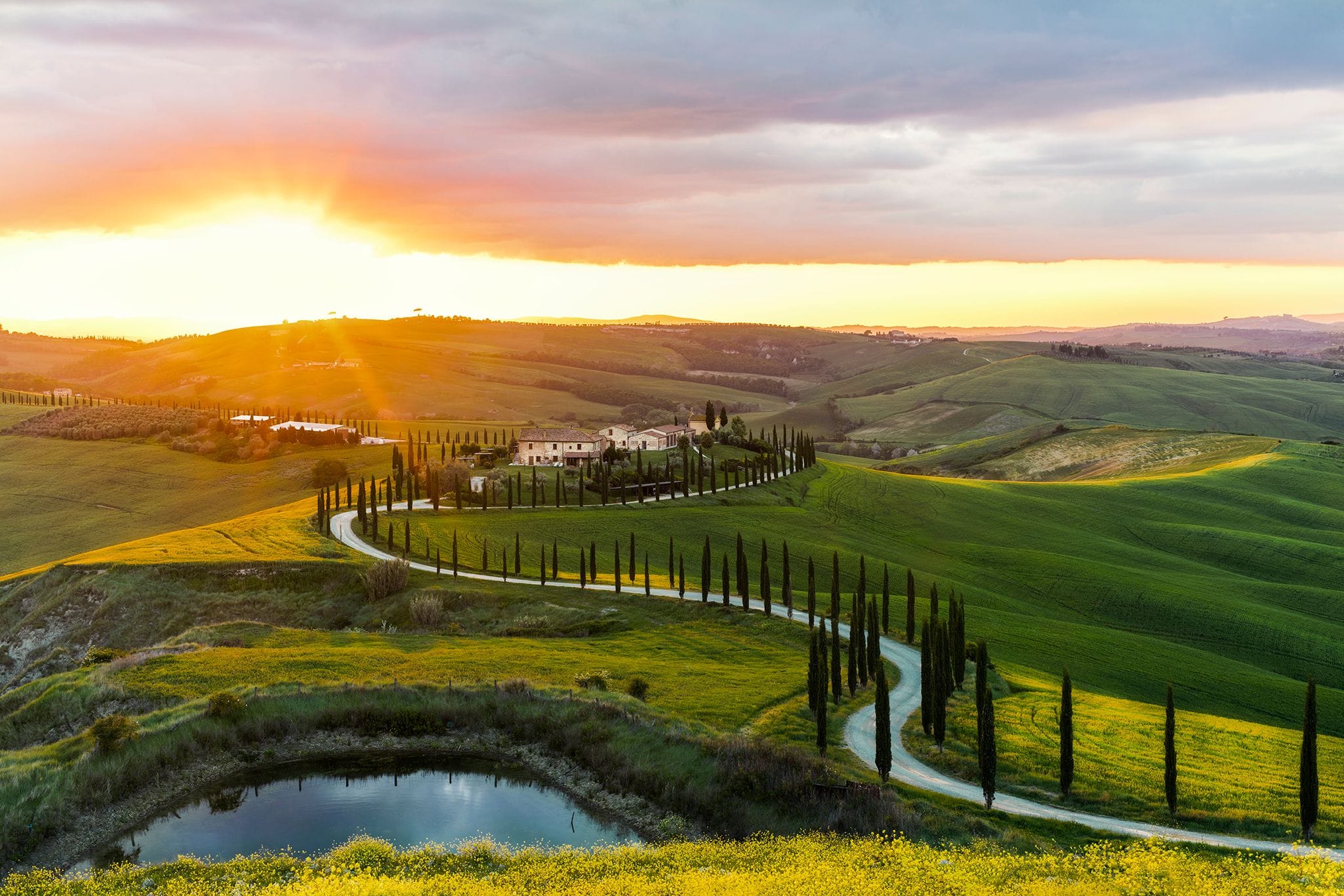
To photograph summer landscapes effectively, polarizing filters can be extremely useful for reducing glare and enhancing the richness of the sky.
Autumn photography: magical colors and warm light
Autumn is often considered the star of seasonal photography, as forests ignite with gold, orange, and deep crimson tones. During this time of year, the sun sits lower in the sky, casting long, soft shadows and bathing the landscape in warm, rich light that naturally enhances the beauty of the scene. In Slovenia, this transformation is especially striking: the Julian Alps and surrounding valleys take on a painterly quality, making autumn one of the most rewarding seasons for dedicated landscape photographers.
Light and land characteristics:
The land is filled with warm golden tones, and the foliage shifts into intense reds and yellows, all set against crisp air and occasionally dramatic skies.
How to Shoot It:
To make the most of these conditions, photographers can lean into strong color contrasts by pairing fiery autumn leaves with cool mountain scenery or reflective water. Planning shoots around golden hour is particularly beneficial, as the light becomes warm and vibrant earlier and later in the day than in other seasons. Using leading lines such as footpaths, rivers, or rows of trees helps guide the viewer’s eye through the landscape and highlight the natural transitions of color.
For those who want to capture the very best of the season, joining specialized Slovenia photo tours in October can be immensely rewarding. These tours are designed to coincide with peak color and ideal lighting, ensuring that photographers can create their strongest and most atmospheric autumn images.
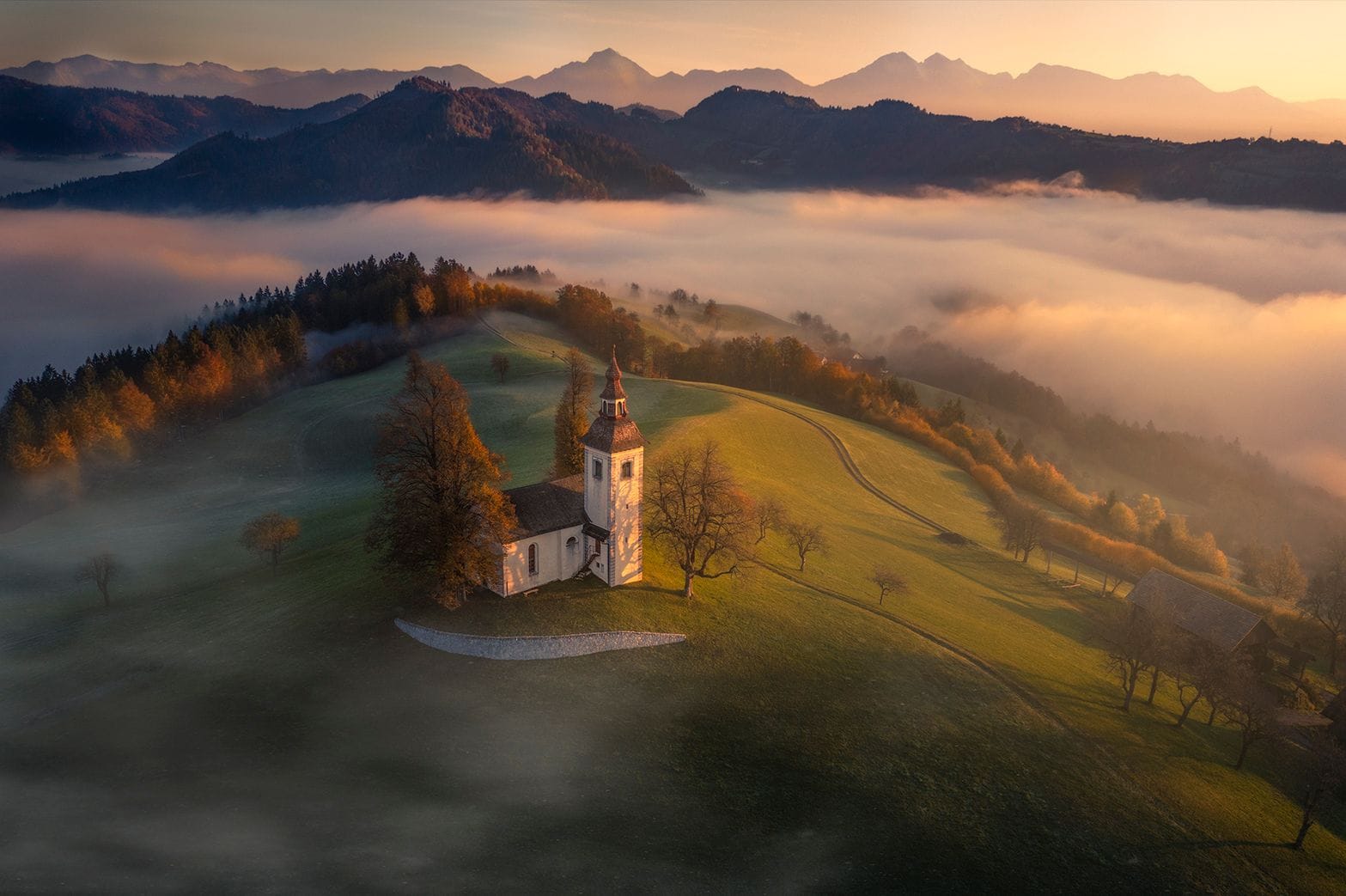
During this time of year, the sun sits lower in the sky, casting long, soft shadows.
Winter photography: Peace, minimalism, snow and cool tones
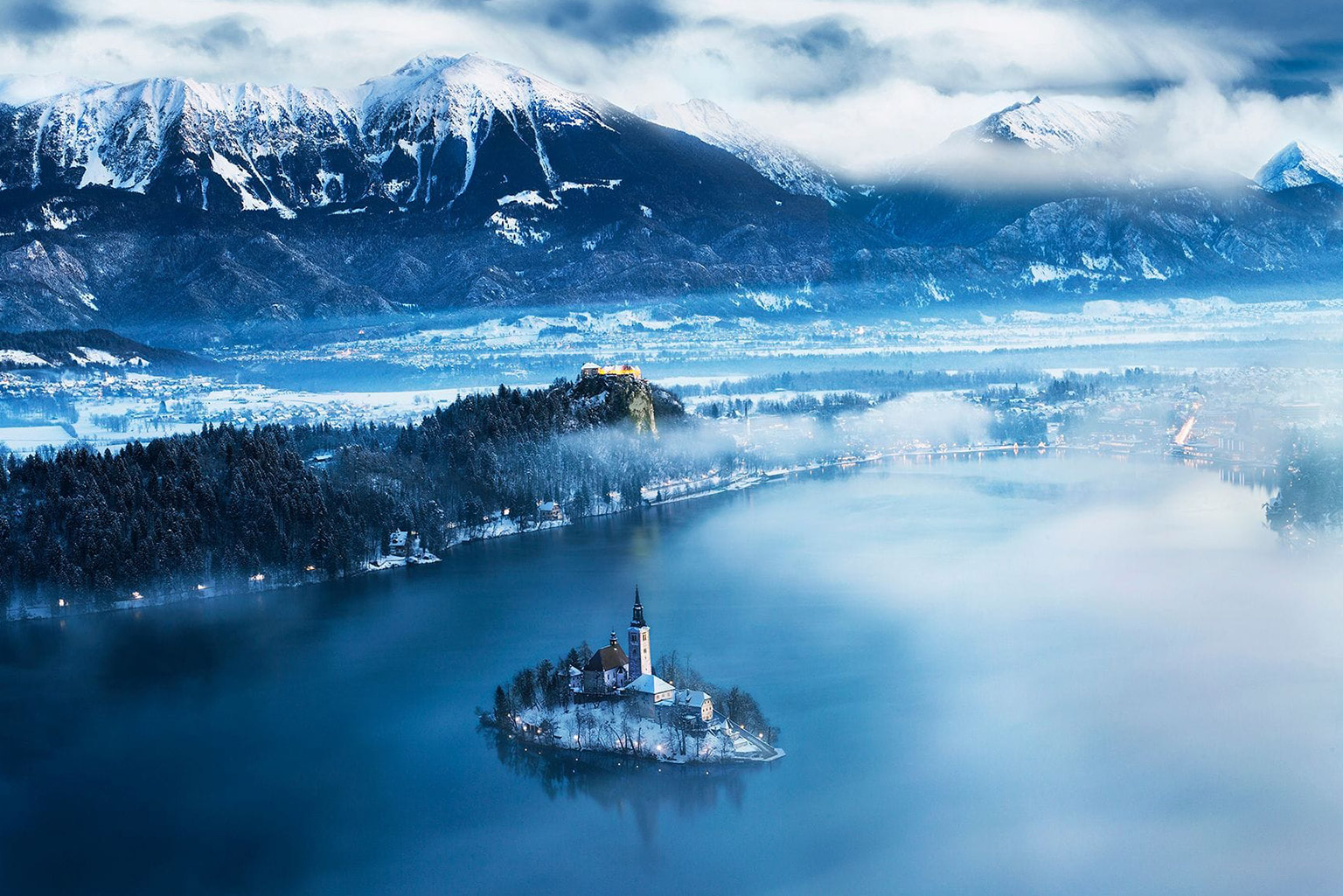
Winter transforms the landscape by covering it in snow and frost, reducing visual clutter and creating beautifully simplified scenes. With limited color and strong contrast between white snow and darker elements, the season naturally lends itself to striking minimalist compositions. The light during winter is cooler, softer, and more diffuse, particularly on overcast days when shadows are gentle and details are subdued.
Light and land characteristics:
This season is characterized by shorter days and consistently soft light, while snow and frost smooth out textures and erase small details, making minimalistic imagery especially appealing. When snow is backlit at sunrise or sunset, the entire landscape can take on an ethereal glow that adds depth and atmosphere to photographs.
How to Shoot It:
To shoot winter landscapes effectively, it’s important to expose carefully because snow can mislead camera meters, often requiring positive exposure compensation to avoid dull, gray results. Winter also offers unique opportunities to photograph subtle textures and patterns, such as footprints, ice crystals, and wind-sculpted snow formations. Seeking low sun angles helps create longer shadows and enhances definition in an otherwise monochromatic world.
Because winter environments can be challenging, the season requires extra preparation and adaptability, from dressing appropriately for the cold to using stabilizing gear that performs well in snow and icy conditions.
To shoot winter landscapes effectively, it’s important to expose carefully because snow can mislead camera meters.
Adapting Your Technique Across Seasons
1. Understand Light Direction and Color
Seasonal shifts change the sun’s path. In winter the sun stays low, casting long shadows, while summer light is overhead and bright. Learn how the angle of light affects textures and mood in your shots.
2. Embrace Seasonal Foregrounds
A bloom in spring, lush grass in summer, crunchy leaves in autumn, or a snowfield in winter. Seasonal elements act as dynamic foregrounds that add depth and interest.
3. Gear for the Conditions
- Tripod for stability in low light and winter.
- Filters to manage reflections and sky contrast.
- Weather protection for the camera and yourself.
4. Plan but Stay Flexible
Nature never sticks to a schedule. Snow may arrive late, autumn colors may peak early, and spring blooms can be unpredictable. Observing weather and landscape patterns is a part of really mastering seasonal photography.
Why joining the Slovenia photo tours is great for learning seasonal photography
Slovenia might be small, but its landscapes are astonishingly diverse – from alpine ridges to emerald lakes, dense forests to dramatic gorges. Slovenia photo tours give you:
- Guided access to seasonal hotspots, and even the most hidden gems
- Local expertise on light, timing, and compositions.
Whether you seek fiery autumn colors, early spring blooms, or serene winter scenes, these tours are crafted to help you see the land and light as they truly are.
